Waltham Forest Council’s four-year climate strategy “lacked clarity on some targets”, a new report has found, though it also points to clear results in some areas.
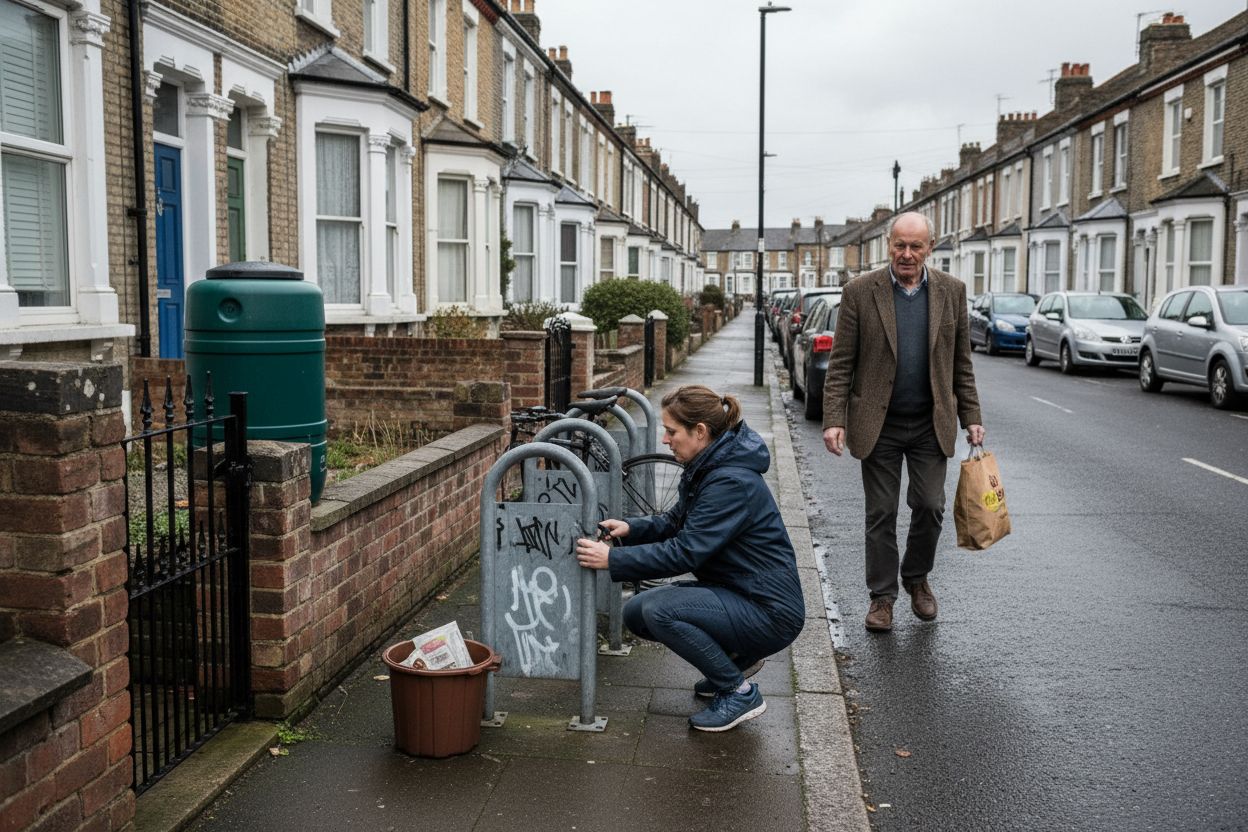
The plan was published in November 2022 under the previous Labour administration. It set out 29 actions on energy efficiency, cutting car dependency and improving recycling. The council says the plan has now “largely concluded”. It points to new bike hangars, home eco-loans and more than 2,000 water butts installed to help prevent flooding.
Where it was hard to measure
The report says several actions lacked “measureable targets or agreed baselines”, which made progress hard to judge. It also says it wasn’t clear what net zero meant in the plan, or whether the goals covered only the council’s own operations or the whole borough.
What fell short
The council missed its goals to reduce car dependency and double car-sharing. The report says the number of shared vehicles fell sharply in 2025 because of market conditions outside the council’s control.
Work to improve the quality of homes stalled because building costs rose and supply chains were disrupted. Support aimed at the borough’s 20 biggest businesses didn’t work either: officials struggled to come up with proposals that were attractive and would make a difference while the economy was difficult.
What worked
The fortnightly food waste collection, launched in 2025, helped raise the recycling rate from 34% to 38%. The Energy Upgrade Loan scheme and Kanopiworks, the council-owned retrofitting service, were both regularly oversubscribed.
Looking ahead
The council says climate action now means adapting and building resilience as well as cutting emissions. It notes that residents are already feeling the effects of climate change through extreme weather.