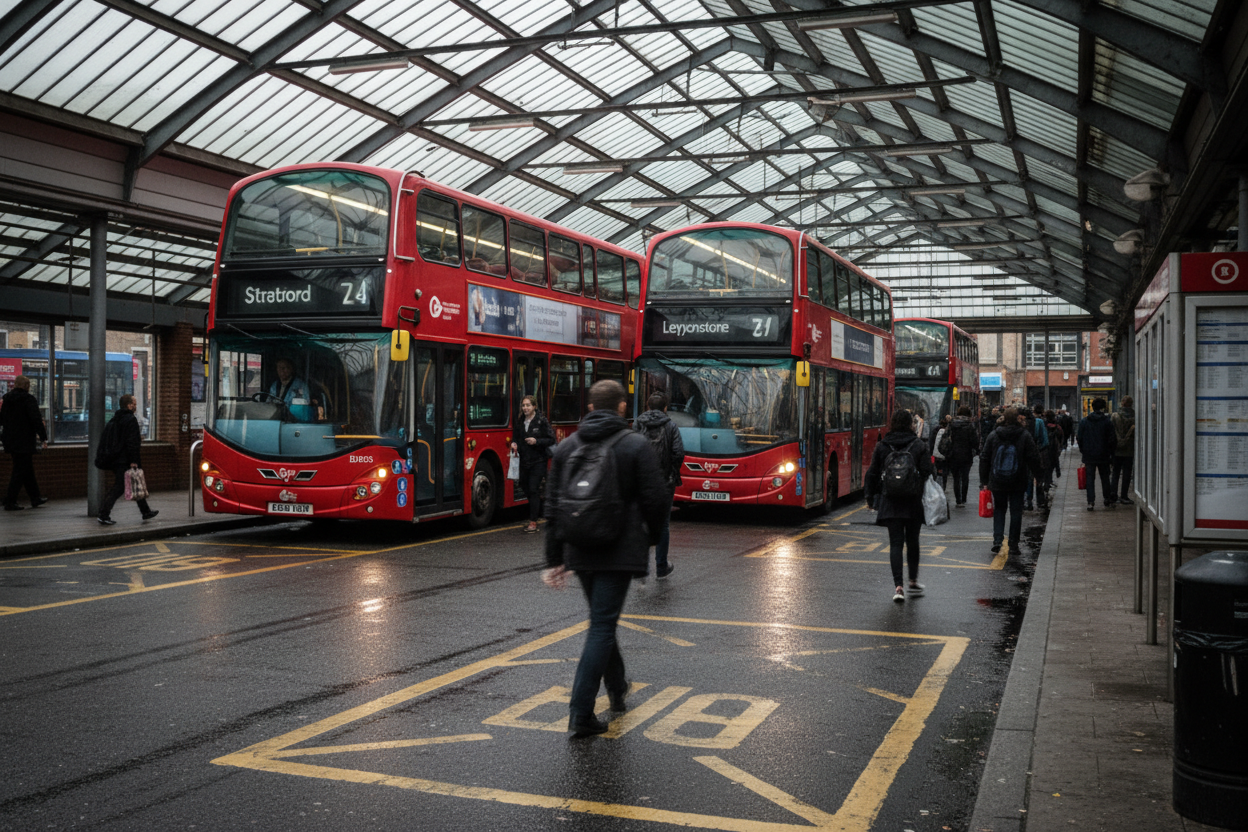
Transport for London is moving closer to setting up its own publicly-owned bus company, with officials due to begin talks with existing operators later this month about whether franchised services could be brought in house. The Local Democracy Reporting Service reported the plan on 15 September, citing sources familiar with the discussions.
The idea is not new. TfL's business plan earlier this year said that, as part of a move to "reimagine London's bus network, we will develop detailed proposals for a new publicly owned bus company for London". The study will "assess how this could further support innovation, efficiencies and accountability, and support the needs of customers and the workforce".
It is worth being clear about what would actually change. London's buses are already publicly controlled in the ways passengers notice most: TfL sets the routes and the fares. What is private is the operating. Sixteen firms — among them Arriva, Go-Ahead London, First Bus London and Stage Coach London — bid for franchise contracts across the capital's 675 routes, typically for seven years, with performance targets and a set income. Under the proposal, as those contracts expire, TfL could move routes across to a public operator rather than re-tendering them.
The legal obstacle has already gone. The Bus Services Act, passed by the Labour government last year, lifted the ban on local authorities setting up their own bus companies. A publicly-owned operator would also deliver a promise Sir Sadiq Khan made in his 2024 mayoral manifesto; in August that year he told the London Assembly there were "lots of upsides in us having a publicly owned bus company", including reinvesting any profit in transport infrastructure.
Unite welcomed the progress. Regional officer Nadine Edwards said: "Unite has been calling for London buses to be brought back into public ownership for a long time. This will stop money flowing from Londoners and Transport for London to private companies who preside over a race to the bottom culture that impacts drivers and services."
Elly Baker, Labour's transport spokesperson on the London Assembly, has raised the question repeatedly at City Hall. "Bringing some bus operations directly into public ownership could give TfL greater control over how services are run, improve reliability and safety, and mean money made from operating services can be reinvested in London's transport network," she told the LDRS. "If TfL is now taking practical steps towards establishing a publicly owned bus operator, I very much welcome that progress. I've been making the case for TfL to explore this option for some time and I want to see it developed into a serious part of the plan for improving London's buses."
The counter-argument is that the current model is not broken. Festus Akinbusoye, running to be the Conservative candidate for mayor, said: "Londoners want reliable, affordable buses; they don't care who owns the company operating them. Sadiq Khan is trying to fix a problem that simply isn't there. London's bus franchising model works. Other cities in the UK and internationally aim to replicate the success of London."
He added: "Rather than spending taxpayers' money and years of effort setting up a publicly owned operator, we should be asking how that successful model can be replicated elsewhere in the country. All that bringing bus operations in-house achieves is higher costs and more bureaucracy, not better services. As mayor, I would protect what works. TfL should focus its time and taxpayers' money on improving services, tackling fare evasion and making journeys better for Londoners – not dismantling a successful model to win a round of applause from Labour activists."
That view is not confined to one party. Last week Reform's assembly member Keith Prince told a fringe event at his party's annual conference in Birmingham that the rest of the UK would do well to learn from London's franchising system.
A TfL spokesperson said: "As part of our work to reimagine London's bus network, we are currently developing detailed proposals for a new publicly owned bus company for London. We are assessing how this could further support innovation, efficiencies and accountability, and support the needs of customers and the workforce."