The London Assembly has passed a motion condemning the government's new charge on high-value homes — and the way it passed has become the story.
Here's what happened. Reform UK assembly member Alex Wilson proposed a motion condemning the government's high-value council tax surcharge, widely known as a 'mansion tax'. Under it, homes valued at more than £2million will pay between £2,500 and £7,500 a year from April 2028.
Around 165,000 homes are expected to be affected, most of them in London. Wandsworth, Kensington and Chelsea, Westminster and Richmond councils have all written to Chancellor John Healey this week urging him to reverse the levy. West London boroughs are set to be hardest hit.
The motion asked the mayor to publicly oppose the prime minister and chancellor's proposed tax reforms, and to write to them saying so. It argued that "London is the single largest regional contributor to the exchequer, and one of only two regions that consistently generates a net fiscal surplus", and that it is therefore "wrong to impose further tax burdens on London's residents".
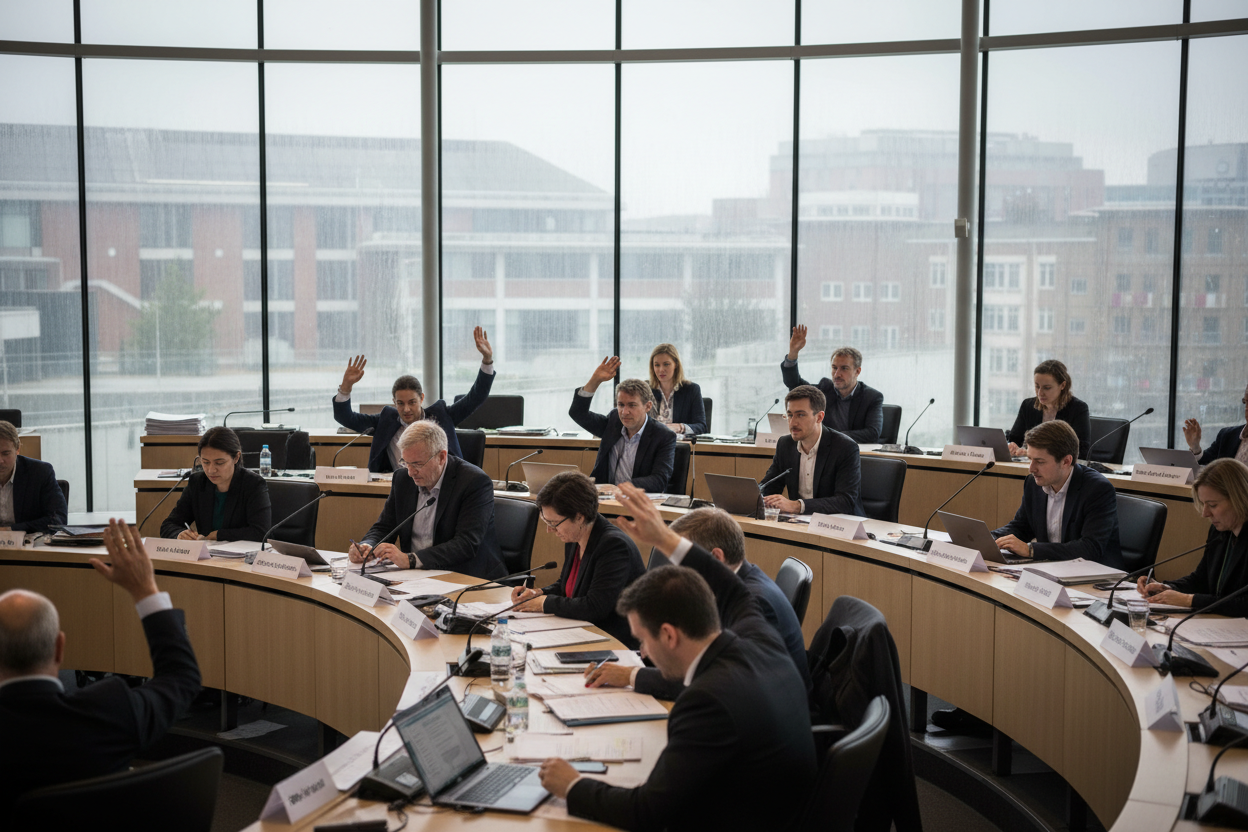
It passed eight votes to two — but only because Labour assembly members abstained rather than voting against it. That is the bit worth understanding: an abstention isn't a vote for something, but in a small chamber it can let something through.
Wilson, who raised the issue at City Hall last week, said new Prime Minister Andy Burnham views London as a "cash cow" to fund commitments elsewhere. He told the Local Democracy Reporting Service that City Hall Labour abstained "as not to upset the new prime minister", adding: "They've put self-interest before public service and will pay the price for it at the ballot box in 2028."
"Andy Burnham's proposed tax raid on London would be to kill a golden goose," he said. "London contributes more to the public coffers than any other region in Britain. It's not fair or moral to impose further taxes on our city when our economy is already suffering because of two years of Labour's fiscal mismanagement."
Labour's explanation is narrower. Leonie Cooper AM, the party's deputy leader on the Assembly, said: "This motion asked the assembly to oppose the government's reforms outright. The Labour group don't think that is the right position while the final arrangements on high value council tax surcharge are yet to be finalised. That is why we abstained."
So what does the vote change? On its own, nothing directly — the motion is non-binding. But the mayor does have to formally respond, usually within a few weeks, and that response will be a public statement of his position.
A spokesperson for Sir Sadiq Khan said the mayor "has always been clear that London must receive a fair funding settlement which reflects both the capital's contribution to the national economy and the significant pressures facing Londoners and our public services". They added that decisions on taxation and the local government funding formula are matters for the government, and that the mayor "will consider the detail carefully and continue to stand up for London".
The government, for its part, frames the surcharge as a correction. A spokesperson said: "We're fixing an outdated funding system so funding goes where need is greatest — addressing a longstanding unfairness where a band D home in Darlington or Blackpool pays more in council tax than a £10m mansion in Mayfair."
The surcharge is expected to raise around £430million a year for public services, they said, and applies to fewer than 1% of properties across England, based on property value rather than location.
If you want to follow this one, the next thing to watch for is the mayor's formal response to the motion — and, further out, the final arrangements for the surcharge itself, which are not yet settled.