Conservationists are warning that drought could severely affect London's butterfly populations next year, with the damage from this summer unlikely to show up until 2027.
The Met Office has confirmed that 2026 was the hottest summer on record, and in August more than 70 percent of England was officially declared in drought.
According to Butterfly Conservation, the real danger will not fully emerge until next year, when caterpillars stressed by this year's conditions should be emerging as adults. Many of the plants caterpillars depend on withered or died before the caterpillars had finished feeding.
Professor Richard Fox, head of science at Butterfly Conservation, explained the paradox. "Adult butterflies love hot, sunny weather for flying, feeding and breeding," he said, but cautioned that "a good summer for adult butterflies is not the same as a good summer for butterfly populations". The very same weather that made it a good year for butterflies, he said, could mean the country is on course for a population crash.
The Big Butterfly Count recorded almost 1.4 million butterflies and moths across the UK this year.
Professor Fox pointed to historical precedent. "The extreme droughts in 1976 and 1995 had severe impacts on butterfly populations, with some species never fully recovering," he said. He noted that 80 percent of UK butterflies have declined since the 1970s, leaving them particularly vulnerable to another shock.
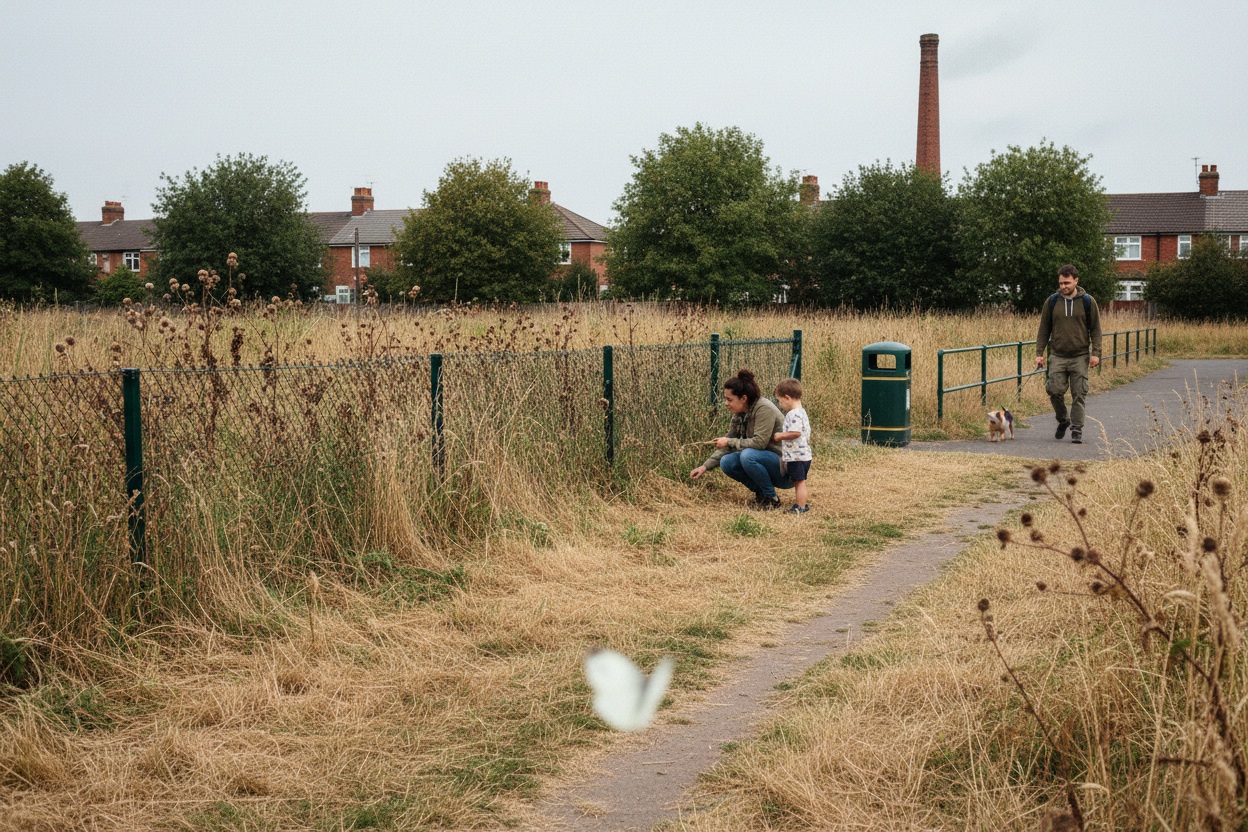
Butterfly Conservation is asking residents to help over the winter by planting trees and shrubs such as holly and ivy, installing water butts, and leaving patches of grass to grow long to support caterpillars and butterflies.